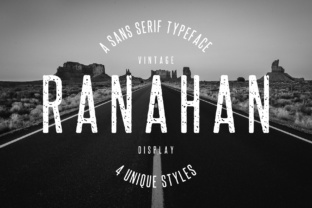
Ranahan: A Modern Vintage Typeface for Designers
The Ranahan typeface is a contemporary font that blends modern design principles with a vintage aesthetic. Developed by the Ranahan family, this typeface series offers a range of styles that evoke the look and feel of hand-printed or typewritten text. Its unique character makes it a compelling choice for designers seeking to add a retro touch to their projects without sacrificing readability.
Understanding the Ranahan Typeface
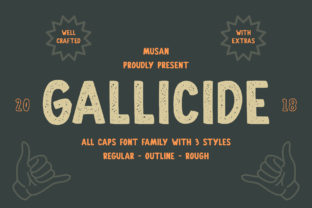
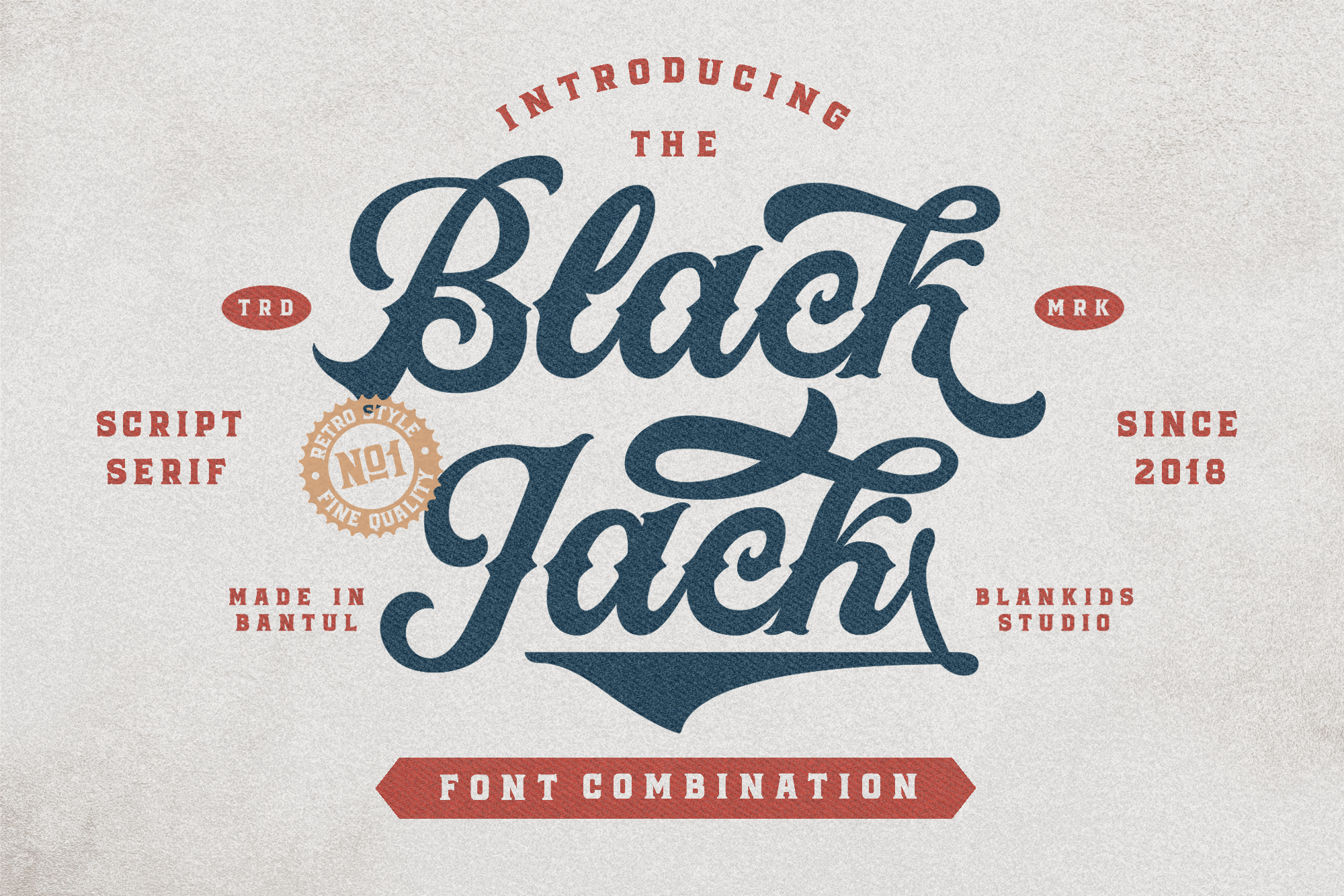
Ranahan is designed to emulate the visual characteristics of traditional printing methods, such as letterpress or early typewriters. The font features subtle imperfections and irregularities that mimic the natural variations found in physical print. These details give Ranahan its distinctive charm, making it stand out in a sea of more rigid digital fonts.
The typeface includes multiple weights and styles, from light to bold, allowing for flexibility in different design contexts. Each variation maintains the core identity of Ranahan while offering distinct visual properties. This versatility ensures that the font can be adapted to various applications, from branding to editorial design.
Why Someone Might Be Interested in Ranahan
Designers and creatives who are drawn to retro aesthetics may find Ranahan appealing. Its vintage-inspired look can evoke nostalgia, making it ideal for projects that aim to capture a specific era or mood. Whether designing a logo, poster, or website, Ranahan provides a way to infuse a sense of history into modern designs.
Additionally, the font's readability is a key factor for those looking for a balance between style and functionality. While it has a distinctive appearance, Ranahan remains legible at various sizes, ensuring that it can be used effectively in both large and small text formats.
Benefits of Using Ranahan
One of the primary benefits of Ranahan is its ability to add character to a design. Its vintage qualities make it suitable for projects that require a handcrafted or authentic feel. This can be particularly useful in industries such as publishing, advertising, or branding where a unique visual identity is essential.
Ranahan also offers a level of differentiation from more standard typefaces. In a competitive design landscape, using a less common font can help a project stand out and leave a lasting impression on the audience.
Another advantage is the font's adaptability. With its range of styles, Ranahan can be used in a variety of design scenarios, from headings and titles to body text. This flexibility makes it a practical choice for designers who need a single font that can serve multiple purposes.
Tradeoffs and Considerations
While Ranahan has many strengths, it may not be the best choice for every project. Its vintage aesthetic could be too strong for certain contexts, such as corporate or minimalist designs that prioritize clean and modern visuals. In these cases, a more neutral typeface might be more appropriate.
Readability is another consideration. Although Ranahan is generally legible, some of its stylistic elements may affect how easily text can be read, especially at smaller sizes. Designers should test the font in different settings to ensure it meets the needs of their audience.
Additionally, the availability of Ranahan may be limited compared to more widely used typefaces. This could impact accessibility, particularly if the font is not included in standard design software or if licensing restrictions apply.
Situations Where Ranahan Is a Strong Fit
Ranahan is well-suited for projects that benefit from a vintage or retro atmosphere. For example, it could be an excellent choice for a coffee shop’s branding, a music festival poster, or a book cover that aims to evoke a nostalgic feeling. Its ability to convey authenticity makes it ideal for creative and artistic endeavors.
The font is also a good fit for editorial design, such as magazines or newspapers that want to incorporate a historical or literary tone. Its visual character can enhance the overall aesthetic of a publication, making it more engaging and memorable.
In addition, Ranahan can be effective in marketing campaigns that target audiences with a preference for vintage or handmade products. By using this font, brands can communicate a sense of tradition and craftsmanship that resonates with their customers.
Situations Where Alternatives May Be Worth Considering
For projects that require a more neutral or professional look, alternatives to Ranahan may be more suitable. Fonts like Helvetica, Times New Roman, or Arial offer a clean and versatile appearance that works well in a wide range of applications. These typefaces are often preferred in corporate or academic settings where clarity and consistency are prioritized.
Designers working on digital interfaces may also consider other fonts that are optimized for screen readability. While Ranahan is functional, some typefaces are specifically designed to perform better on screens, ensuring a smoother user experience.
Finally, for those who need a highly customizable font, alternatives with more extensive glyph sets or language support may be more appropriate. Ranahan may not offer the same level of flexibility in certain international or multilingual contexts.
Practical Decision-Making Insights
When deciding whether to use Ranahan, designers should consider the goals of their project and the expectations of their audience. If the goal is to create a vintage or nostalgic feel, then Ranahan can be a strong choice. However, if the focus is on clarity and universality, other fonts may be more effective.
Testing the font in real-world scenarios is essential. Designers should experiment with different sizes, colors, and backgrounds to see how Ranahan performs in various contexts. This will help ensure that the font meets the project's requirements and delivers the desired visual impact.
Ultimately, the decision to use Ranahan should be based on a careful evaluation of its strengths and limitations. By understanding how it aligns with their design objectives, creators can make informed choices that enhance the quality and effectiveness of their work.