The Timeless Allure of Times New Vespasian: A Font Rooted in Roman History
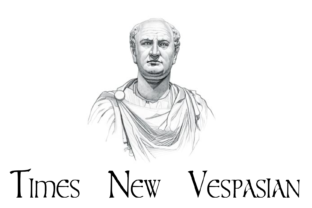
In the ever-evolving world of design and typography, certain fonts stand out not just for their aesthetic appeal but for their deep historical roots. One such font that has captured the attention of designers, historians, and creatives alike is Times New Vespasian. This unique typeface draws its inspiration from the manuscript letters of the age of Roman Emperor Vespasian, offering a bridge between ancient craftsmanship and modern digital expression.
As the demand for authentic and meaningful design elements grows, Times New Vespasian has emerged as a symbol of heritage and sophistication. It is more than just a font—it’s a statement, a nod to the past, and a tool for those who seek to infuse their work with a sense of history and gravitas.
Understanding the Origins of Times New Vespasian
Times New Vespasian is a historical font that traces its lineage back to the handwritten scripts of the Roman Empire, specifically during the reign of Emperor Vespasian (69–79 AD). This period marked a significant era in the development of Latin script, characterized by a blend of clarity and elegance that has influenced typography for centuries.
The font’s design is inspired by the meticulous lettering found in ancient manuscripts and inscriptions, capturing the essence of how texts were written during this time. Each character is crafted to reflect the hand-crafted nature of the original scripts, giving it a distinctive, almost artisanal feel.
For professionals in fields such as graphic design, branding, and publishing, understanding the origins of a font can provide valuable context. It allows them to make informed choices that align with their creative vision and the message they wish to convey.
Why Times New Vespasian Resonates in Today’s Design Landscape
In an age where digital tools have made typography more accessible than ever, the allure of Times New Vespasian lies in its ability to evoke a sense of authenticity and tradition. As consumers become more discerning, there is a growing appreciation for designs that tell a story or carry a deeper meaning.
This font fits seamlessly into broader industry trends that emphasize storytelling and emotional connection. In marketing, for instance, using a historically inspired font can help brands differentiate themselves and create a memorable identity. It offers a way to stand out in a crowded market while maintaining a sense of credibility and timelessness.
Moreover, the rise of minimalist and clean design aesthetics has not diminished the relevance of more ornate or historically inspired fonts. Instead, it has created a space where such fonts can be used strategically to add visual interest and depth to a design. Times New Vespasian serves as a perfect example of how historical elements can be integrated into contemporary design without overwhelming the overall composition.
Practical Applications of Times New Vespasian
Designers and creators are finding innovative ways to incorporate Times New Vespasian into their projects. From book covers and editorial layouts to branding materials and digital interfaces, the font’s versatility makes it suitable for a wide range of applications.
One practical example is its use in historical or educational content. When designing materials related to ancient Rome, archaeology, or classical literature, Times New Vespasian adds an element of authenticity that enhances the user experience. It helps to create a cohesive visual language that aligns with the subject matter, making the content more engaging and immersive.
In the realm of branding, companies looking to establish a legacy or connect with a specific audience may find value in using this font. For instance, a luxury brand aiming to evoke a sense of timeless elegance could leverage Times New Vespasian to reinforce its identity and communicate a message of sophistication and heritage.
Connecting with Broader Trends and Consumer Expectations
The increasing focus on personalization and customization in design has also contributed to the growing interest in Times New Vespasian. As businesses strive to create unique experiences for their customers, the use of distinctive fonts can play a crucial role in setting them apart from competitors.
Additionally, the trend towards sustainability and ethical consumption has led many to seek out products and services that align with their values. While this may seem unrelated to typography, the choice of a historically inspired font can be seen as a form of cultural preservation and respect for traditional craftsmanship. It reflects a commitment to quality and authenticity that resonates with conscious consumers.
Furthermore, as technology continues to evolve, the integration of historical fonts like Times New Vespasian into digital platforms highlights the intersection of past and future. Designers are now able to experiment with these fonts in new ways, ensuring that they remain relevant and adaptable to changing trends and technologies.
The Future of Times New Vespasian in the Digital Age
As we look ahead, the continued relevance of Times New Vespasian will depend on its ability to adapt to the evolving needs of the design community. While its historical roots are a key selling point, its practicality and usability in modern contexts will determine its long-term success.
Designers and developers are already exploring ways to optimize the font for digital use, ensuring that it maintains its integrity across different platforms and devices. This includes considerations such as readability, scalability, and compatibility with various design software. By addressing these technical aspects, the font can remain a viable option for a wide range of applications.
Moreover, as more people become interested in the stories behind the fonts they use, Times New Vespasian is well-positioned to benefit from this growing curiosity. Its rich history and unique aesthetic offer a compelling narrative that can engage users and deepen their connection to the design elements they encounter daily.
Conclusion
Times New Vespasian represents more than just a font—it is a testament to the enduring power of historical design and the importance of context in modern creativity. As professionals in various industries continue to seek ways to differentiate their work and connect with their audiences, this font offers a powerful tool for expressing authenticity, heritage, and sophistication.
Whether used in print, digital media, or branding, Times New Vespasian has the potential to elevate any project and add a layer of depth that resonates with both creators and consumers. Its relevance in today’s design landscape is a clear indication that the past continues to shape the future, and that the right font can make all the difference in how a message is received and remembered.